
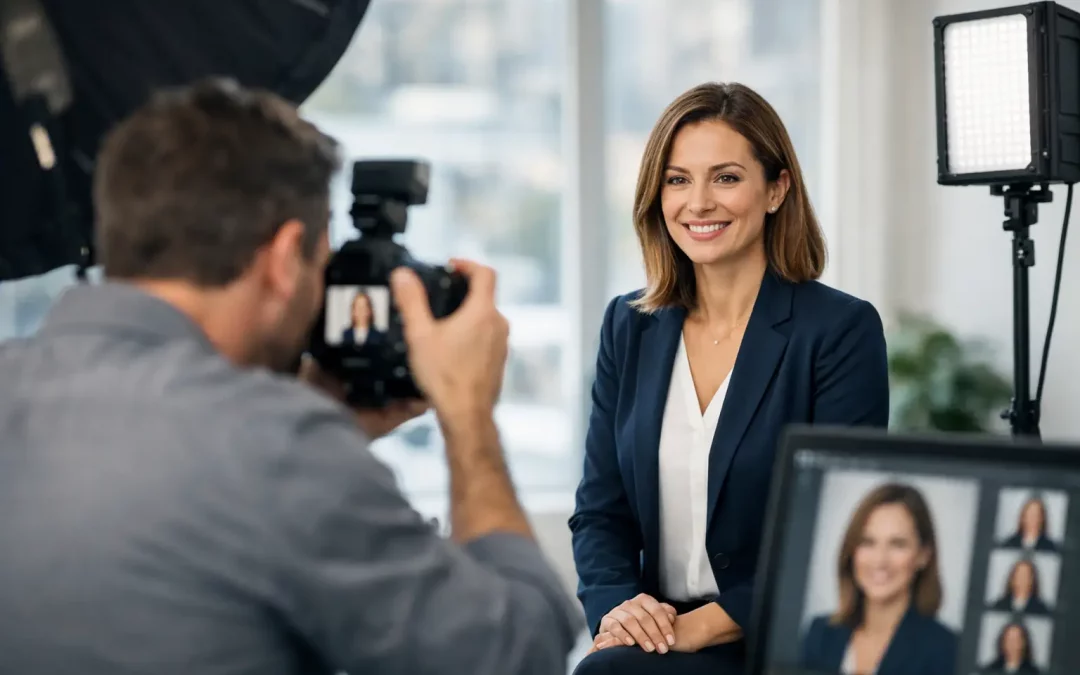
A potential client, recruiter or collaborator may see your LinkedIn photograph before they read a single line of your experience. That is why choosing the right LinkedIn profile photo photographer is less about having a flattering picture and more about creating a clear, credible first impression that feels like you.
For London professionals, the best result is rarely the stiff corporate portrait of old or a casual crop from a party photograph. It is a polished, approachable image that gives people confidence in meeting you, working with you or hearing what you have to say.
What a strong LinkedIn photograph needs to do
Your profile photograph has a particular job. It needs to be professional enough for a boardroom, human enough for a conversation and distinctive enough to remain memorable among a busy feed of faces. Those requirements sound simple, but they ask for more than a good camera.
A well-made business portrait establishes trust quickly. Your expression, posture, lighting and the way you are framed all contribute to that feeling. People should be able to recognise you easily when they arrive at a meeting, while also seeing the level of care you bring to your work.
The right style depends on your role and the audience you want to reach. A solicitor, financial adviser or senior corporate leader may prefer a refined, understated image. A creative director, founder or consultant might choose a little more warmth, personality or colour. Neither approach is automatically better. The photograph should support your professional reputation rather than follow a passing trend.
Professional does not mean overly formal
Many people worry that a professional headshot must mean a dark suit, a serious expression and a plain white background. It can, if that suits your sector and personal style. But professional really means intentional.
A relaxed expression is often more effective than a forced smile. A background with subtle texture can feel more natural than a stark studio wall. Likewise, a smart knitwear layer or a beautifully fitting jacket may be a stronger choice than formal businesswear if it is what you genuinely wear when meeting clients.
The aim is not to play a part. It is to present the most confident, polished version of yourself.
Why work with a LinkedIn profile photo photographer?
A specialist LinkedIn profile photo photographer understands the small decisions that separate a pleasant portrait from a useful business image. They know how a photograph will appear as a small circular thumbnail, how to guide an expression without making it look posed, and how to use light to bring attention to your eyes and face.
Professional photography also gives you the benefit of direction. Most people are not used to being photographed and arrive convinced that they are awkward in front of the camera. That is entirely normal. A good portrait session is not a test of whether you know how to pose. It is a guided experience, with clear, calm advice on where to stand, how to hold your shoulders and when to relax.
That reassurance matters. When you stop trying to guess what to do, your expression becomes more open and your portrait becomes more convincing.
For a business owner or independent consultant, the investment can work particularly hard. Your image may appear on LinkedIn, your website, speaker biographies, press features and proposal documents. A thoughtful session can give you a consistent selection of portraits for each of those places, rather than leaving you to reuse one ageing photograph everywhere.
How to choose the right photographer in London
Start with the photographer’s portrait portfolio. Look beyond whether the subjects are conventionally photogenic. Notice whether the people look comfortable, alert and like themselves. Consistent work across different ages, professions and personal styles is a good sign that the photographer can respond to the person in front of the camera rather than relying on one formula.
You should also consider the experience being offered. Ask whether the session includes guidance on clothing, whether you can review images as you go, and what level of retouching is included. A strong business portrait should look fresh and well finished, but still recognisably you. Heavy smoothing, altered facial features or excessive whitening can undermine the trust the photograph is supposed to build.
Location is another decision worth making with care. A studio setting offers control, clean lighting and a timeless finish. It is often ideal for corporate teams or anyone who wants a simple, polished image. An office, workspace or outdoor London setting can add context and personality, especially for entrepreneurs and creatives. The trade-off is that these environments need to be carefully chosen so they support the portrait rather than distract from it.
Henrietta Photography takes a portrait-led approach that keeps the experience relaxed while maintaining the standards expected of a professional business headshot. The purpose is not simply to take a photograph, but to help you look assured and entirely at ease.
Preparing for your headshot session
Preparation does not need to be complicated. The most useful starting point is to think about the rooms, screens and people your photograph will reach. If you are applying for senior roles, meeting corporate clients or building a leadership profile, bring clothing that reflects that environment. If you run a more informal, creative business, choose pieces that still look considered but allow your personality through.
Solid colours tend to work beautifully because they keep attention on your face. Mid-tones and deeper shades are often more forgiving than bright white or very pale pastels, although the best choice depends on your complexion, hair and the background. Avoid prominent logos, busy patterns and anything that creases easily. Bring a couple of options if you can – a change of jacket, top or neckline can create useful variety without changing the whole look.
On the day, give yourself enough time to arrive without rushing. A little water, a quick check of hair and glasses, and a few unhurried minutes before the camera comes out can make a real difference. If you wear make-up, aim for a version that makes you feel confident rather than something dramatically different. Men may wish to shave or trim as they normally would for an important meeting.
It is also sensible to let your photographer know if there is a particular feature you feel self-conscious about. An experienced photographer will not make a fuss, but can adjust lighting, angle or posing sympathetically. Portrait photography is collaborative, and good communication helps create a result you will be happy to use.
During the session: look present, not posed
The most natural portraits are usually built in small moments. Your photographer may ask you to shift your weight, turn slightly from the camera or look just above the lens before returning to it. These subtle adjustments create better posture and reduce the sense that you are sitting rigidly for a photograph.
Expression deserves patience. A broad smile can be right for some people and professions; a gentle, engaged expression may suit others better. There is no requirement to look stern in order to look capable. The key is to avoid trying to hold one expression for too long. A good photographer will keep the conversation moving and photograph the moments between poses, where your face often looks most relaxed.
If you dislike a certain angle or feel something is not working, say so. It is much easier to make a change in the session than to hope an image will feel different later. This is also why viewing a few frames during the shoot can be helpful: it gives you confidence that the lighting, clothing and overall direction are right.
Choosing the final image for LinkedIn
When it is time to select your photograph, favour connection over perfection. Choose the image where your eyes are engaged, your face is clear and you look like somebody a colleague or client would want to speak with. A technically perfect pose with a guarded expression is less effective than a slightly less formal frame that feels warm and confident.
Your face should fill a generous portion of the image so it remains clear at a small size. Check the crop on a phone as well as a larger screen. LinkedIn displays profile images in many places, and the detail that looks elegant on a desktop can disappear when it is reduced.
Keep the same image long enough for people to recognise it, but do not treat it as permanent. A new portrait is sensible when your appearance changes noticeably, you move into a different level of responsibility, or your current photo begins to look dated beside the quality of your other marketing materials. For many professionals, refreshing it every two or three years is a useful guide.
Your LinkedIn photograph does not need to make you look like someone else. It should make it easier for the right people to see the professional you already are – capable, approachable and ready for the conversation that follows.